 Viseum AI Surveillance Video Monitoring Software
Remote AI Monitoring for Government and Critical Sites
One Viseum camera does the work of 6 constantly manned cameras, a Metropolitan Police surveillance officer reported. Control rooms stare at screens, and guards walk patrols. Viseum takes a different route. Our remote surveillance monitoring by AI finds an incident, turns a camera onto it, and films the approach, the event and the getaway. Operators step in, instead of simply watching. Read about our surveillance support services after installation.
(Metropolitan Police)
One control room, then a whole country
An operator works an alert through a guided procedure. Control rooms, city masters and a national centre then link up, with a hot backup at every level.
Fewer cameras, lower cost, stronger deterrent
One Viseum camera covers the ground of several fixed cameras. You protect more remote sites with fewer installations. Running costs also fall well below manned remote monitoring or guarding patrols. The system deters. Sites that once suffered repeat crime often record none at all.
Remote monitoring with the Viseum IMC
Remote sites have always cost money to watch.
Evidence that stands up afterwards
Every recorded incident answers the questions investigators ask. For example, how did it start? Who else saw it? Where did the suspects arrive and leave? Your team can stop the next incident, rather than simply log the last one.
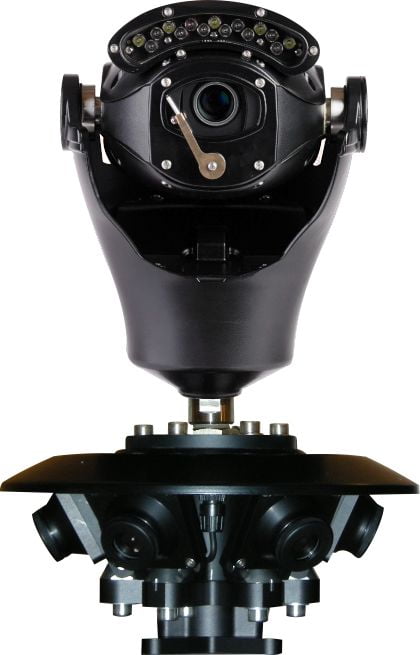
The remote monitoring industry standard for automated security and situational awareness.
Viseum remote monitoring uses multitasking cameras with modular hardware, installed, maintained and supported as plug-and-play. It meets any remote site’s security coverage and surveillance requirements. It solves the many problems with standalone security systems, manned surveillance services and manned guarding security patrols.
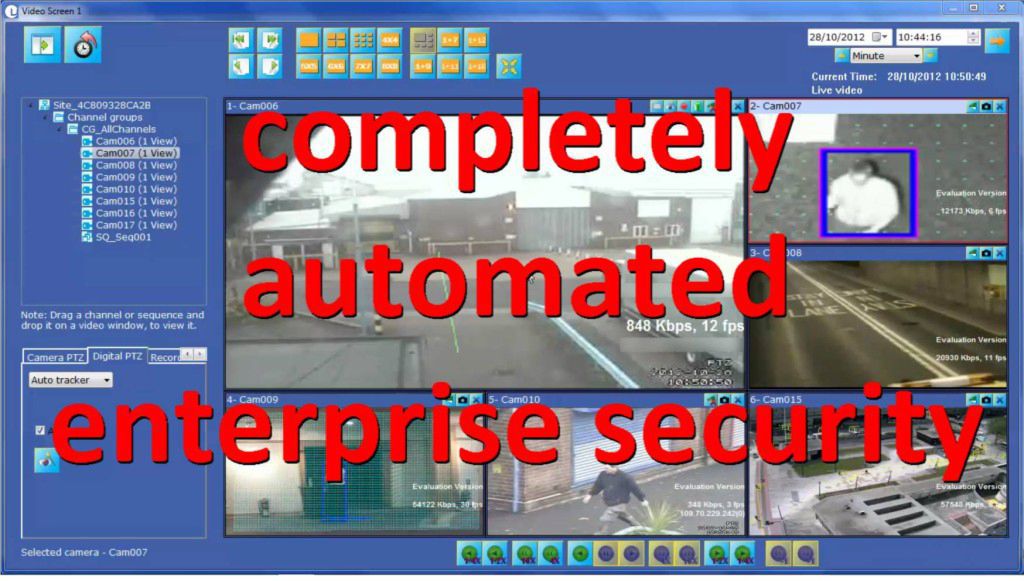
 Viseum CiVMS Central Intelligent Video Management System uses Viseum iVOS Intelligent Video Analytics Software. It is designed to be upgraded in service.
Learn More »
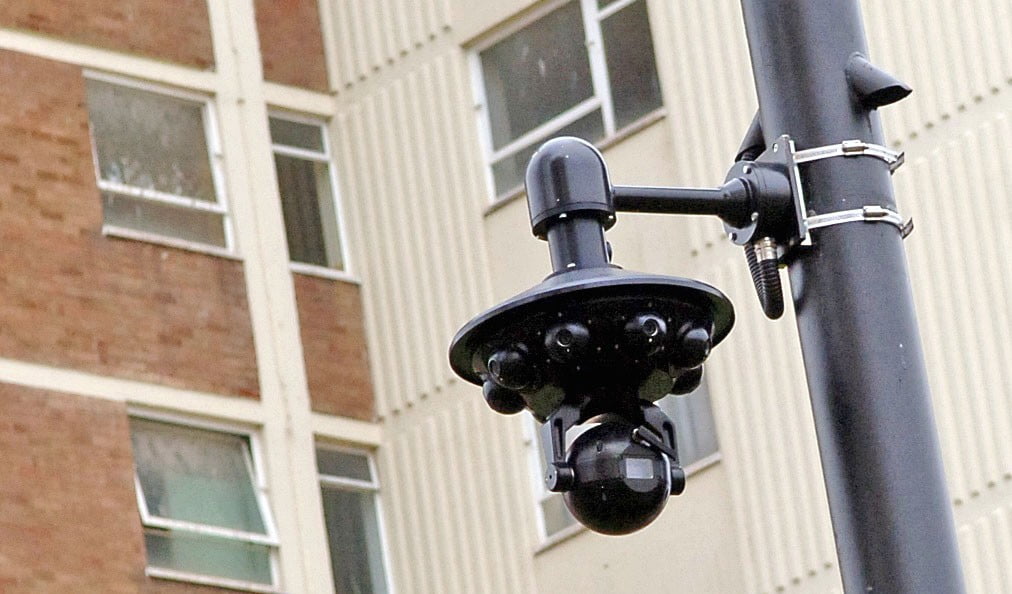 The most evidence captured and the largest camera coverage. A single Viseum Outdoor Security Camera covers up to the size of 4 Olympic stadiums.
Learn More »
Rapid crime solving
In practice, Viseum’s monitoring software automatically detects remote site break-ins and sends the alarm. Also, the alarm has information about who entered the remote site, with a detailed description of them. It also shows where they can be located, where else they have been throughout the remote site and what they have been doing.
Viseum’s remote monitoring advantages
Criminals could be wearing hoods or facial masks, which makes video of their clothing essential. Having this high-quality video of details, such as brand logos and material, usually encourages confession and conviction. If intruders escape the remote site, Viseum’s high-quality video evidence helps investigate, recognise, identify and convict.
Criminals with intent
Criminals with intent will carefully choose their moment to evade the many different types of “high security”. They will avoid standalone and surveillance operator remote-monitored systems. They will break through access control systems and outwit manned guarding patrols. They cannot do this against Viseum’s Intelligent 360° Cameras, which provide constantly vigilant automatic surveillance for each remote site 24/7/365.
Optimising security software for better Remote Camera Monitoring

This narrated presentation shows how any organisation can have the best future-proof security for their entire enterprise, with the most advanced Command Control, designed for and installed at any chosen location.
 Automatically catch perpetrators in the act. Or, if not initially using one of Viseum’s Product Solutions, catch them with rapid investigations.
Learn More »
- Viseum CiVMS Central Intelligent Video Management System uses Viseum iVOS Intelligent Video Analytics Software. It is designed to be upgraded in service.
Learn More »
How remote surveillance monitoring works
Remote surveillance monitoring links the cameras on a site to a control room somewhere else. Trained operators receive alarms, check them and send a response.
The AI flags. Analytics software watches every camera all the time. It flags a person or vehicle in a closed area, a line crossed, a fence approached or someone waiting where they should not be. It ignores weather, shadows and animals when it is set up well.
The camera confirms. On a basic system, the operator receives a short clip from a fixed camera. On a more advanced system, a moving camera turns to the event, zooms in and follows it. The operator then sees a close-up of what is happening now.
The operator decides. The operator checks the alarm against the live picture. A false alarm is closed and logged, while a real one follows a set procedure for that site.
The response. The operator can warn the intruder through a loudspeaker, call the site’s keyholder, send a patrol or call the police. The camera keeps the intruder in view until help arrives, and the operator passes on their position and description.
The evidence. Every incident is recorded with its time, place and video. Good evidence shows how the incident started, where the suspects came from and where they went.
How to choose. Ask how the system confirms an alarm before an operator acts. Ask what the operator sees, how fast they respond and what evidence is handed over.
Frequently asked questions
How does remote surveillance monitoring work?
Cameras on site send alarms and video to a control room elsewhere. Analytics software flags a person or vehicle where they should not be. An operator checks the live picture, closes false alarms and responds to real ones. The response can be a loudspeaker warning, a call to the keyholder, a patrol or the police.
What is the difference between remote video surveillance and recorded CCTV?
Recorded CCTV shows you what happened after the event. Remote video surveillance puts an operator on the alarm while it is happening. The operator can warn the intruder, send help and keep the intruder in view. Recordings are still kept, so the evidence is there for investigators afterwards.
What does the AI flag, and what does the operator confirm?
The AI flags events, such as a person in a closed area or a vehicle at a fence. It does not decide what happens next. The operator looks at the live picture, confirms whether the alarm is real and chooses the response. That split keeps false alarms away from patrols and the police.
What happens when remote security monitoring detects an intruder?
The operator confirms the intruder on the live picture and follows the site’s procedure. That usually means a loudspeaker warning, a call to the keyholder and a call to a patrol or the police. The camera keeps the intruder in view, and the operator passes on their position, description and direction.
Can remote monitoring replace security guards?
It can reduce guarding a great deal, especially at night and on remote sites. Operators can watch many sites at once and send a patrol when an alarm is confirmed as real. Most sites still need people to respond on the ground. Remote monitoring makes sure they are sent to the right place.
Downloads
Explore Viseum
Viseum AI camera on TV

What happens after you contact Viseum
A specialist reads your project questionnaire for a commercial review and checks it against projects we have already delivered.
We arrange a live demonstration, either online from your own desk or on your site with a Rapid Deployment trailer.