 Viseum AI Surveillance Video Monitoring Software
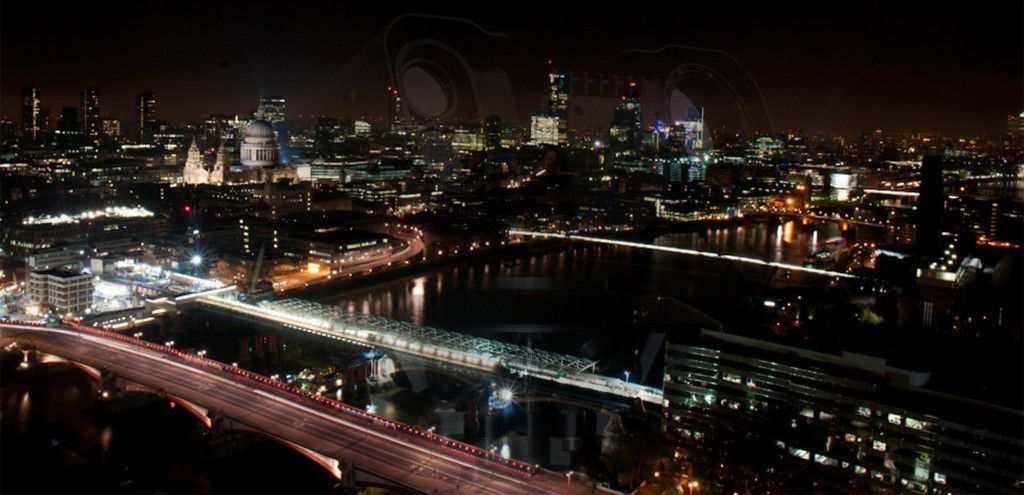
One Viseum camera does the work of 6 constantly manned cameras, a Metropolitan Police surveillance officer reported. Read the report
Fully automated high-security early warning Perimeter Security Systems from Viseum
Viseum perimeter security systems are designed so that no section of the boundary is ever unwatched. This creates the strongest visual deterrent. Viseum cameras perform as if many security guards are watching each camera and constantly protecting the entire perimeter.

Protecting a whole border
Towers, patrols and command control protect a whole border, one track per object, from the first detection to the patrol's response.
Finding tunnels under a border
One fibre-optic cable hears digging, a responder team confirms it on the ground, and the tunnel is sealed.
- More perimeter coverage with fewer cameras automatically detecting potential intruders.
- As a result, alarms are raised before the perimeter is physically breached: from 320 metres with Viseum’s optical perimeter security, and out to 39 kilometres with Viseum’s thermal perimeter security.
- The most effective peace of mind for high-value asset protection.
Perimeter security Industry Standard
The perimeter security industry standard for automated security and situational awareness
This Perimeter Security Camera is a multitasking camera with video analytics. Installed and supported as plug-and-play with modular hardware. Meeting any remote site’s perimeter coverage and surveillance requirements. Solving the many problems with standalone security systems, manned surveillance services and manned guarding patrols.
Automated perimeter protection
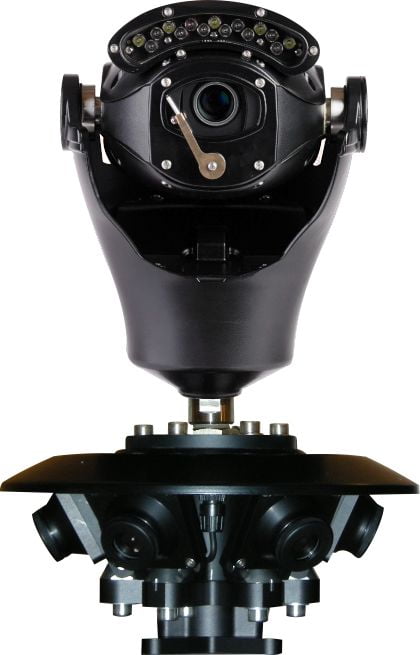
The only Perimeter Security Systems to automatically detect multiple perimeter breaches at the same time and follow each one close up. From short range to long range in all directions of the perimeter. Viseum’s Perimeter Security Systems operate completely automatically, controlling a moving PTZ Camera to prevent perimeter breaches, with high-quality close-up video of the alarm. The system automatically reports incidents for rapid response and investigations.
- Compared with a standard fixed camera installation, it captures over 100 times more people and vehicles.
- Over 25 x more usable video evidence.
- Solves over 15 x more incidents.
Perimeter alarm system
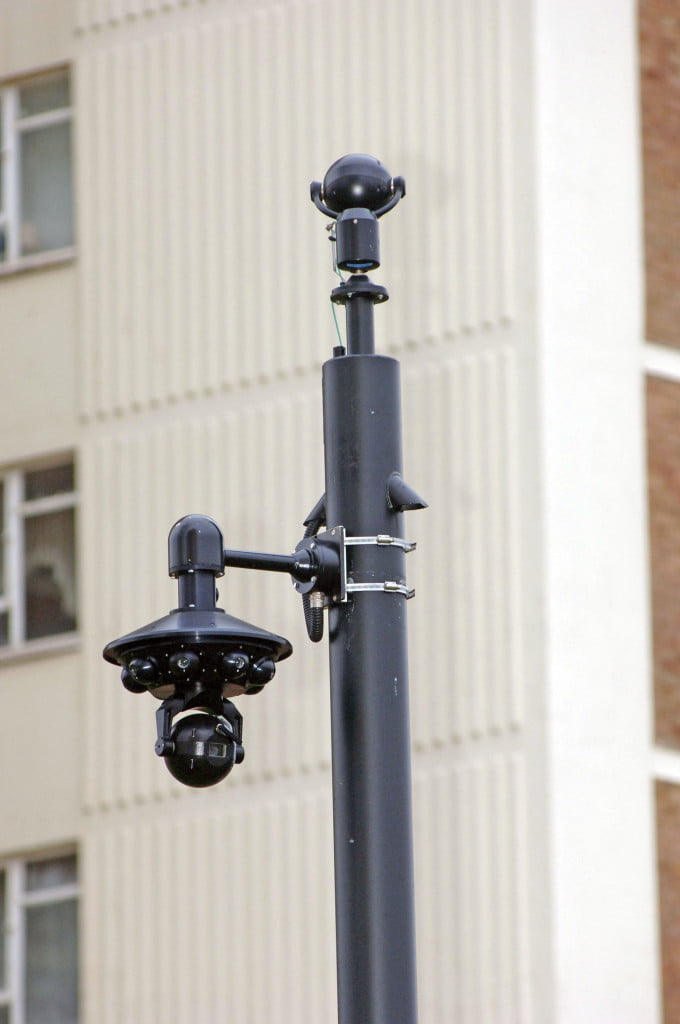
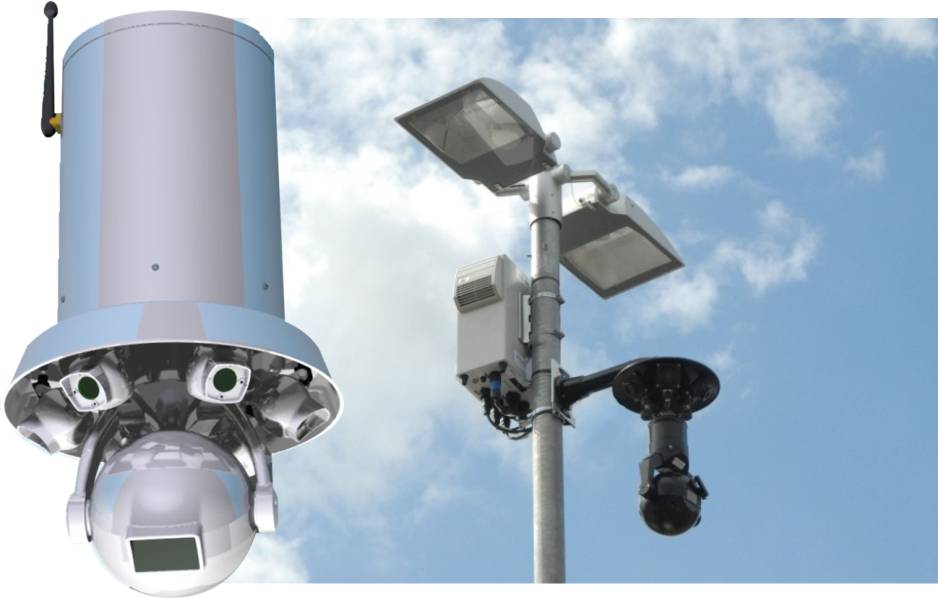
This is an advanced backup and dual perimeter intrusion detection system (PIDS). Perimeter alarms create the strongest perimeter deterrent. Viseum 360 Security Cameras have earned their reputation as the trusted solution to the problem of perimeter security. Our perimeter surveillance systems deliver the strongest perimeter security. We have fully digitally integrated our Thermal and Optical 360 Security Cameras, our Radar Surveillance Systems (PDF) and our Counter Drone Systems. Together they form the security industry’s most advanced perimeter intrusion detection systems, with built-in Viseum 360 Security Cameras.
Panoramic Security Camera Design – Perimeter Surveillance
 One Viseum camera does the work of 6 constantly manned cameras, a Metropolitan Police surveillance officer reported.
Learn More »
Perimeter security systems – Viseum iVOS F3 Find, Fix and Follow
Early prototypes known as ‘Tag and Track’
When intruders breach a remote site’s perimeter, they cannot hide from Viseum’s 360 Security Cameras. Meanwhile, the camera tags them and follows them automatically. If suspects merge with groups of people, or temporarily disappear between non-overlapping camera views, our tag and track system and face recognition software re-identifies them.
Perimeter Security Systems – Integrated camera fencing
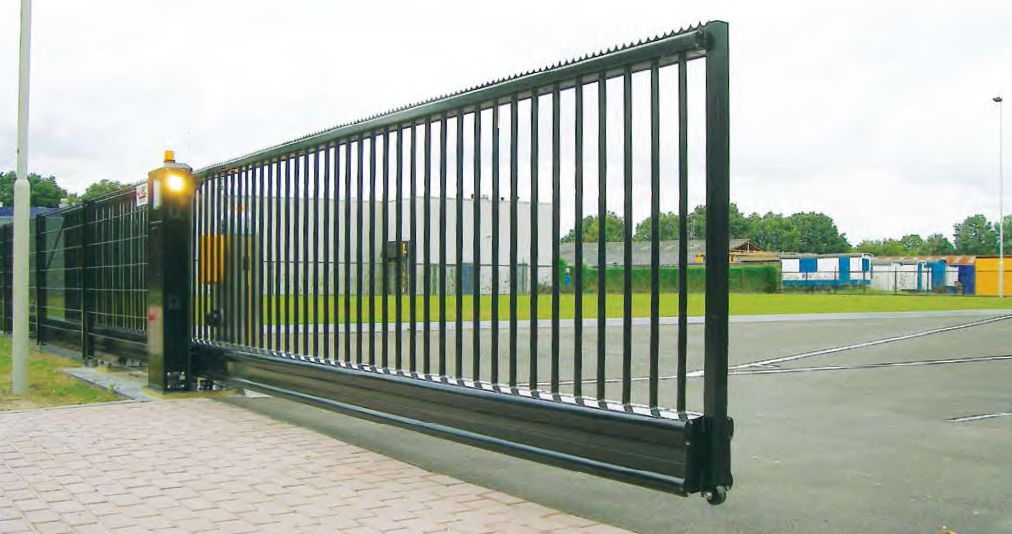
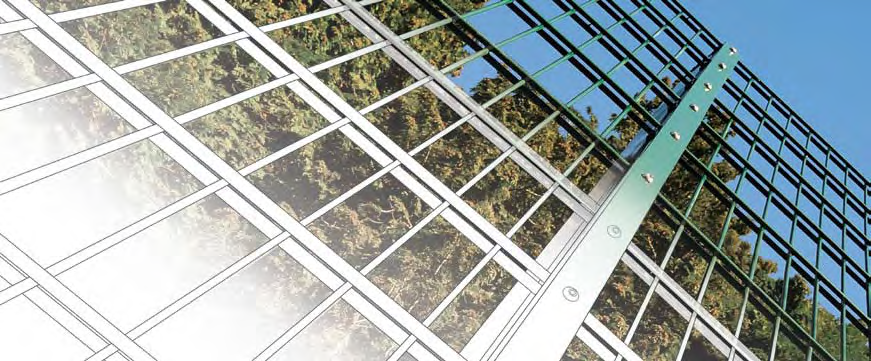
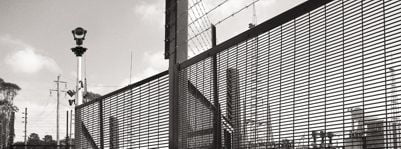
For the most effective Perimeter Security Systems, our fencing has built-in Viseum 360 Security Cameras. This makes installation and maintenance simple, improves operational performance and gives the highest level of perimeter intruder detection for critical infrastructure such as airports and power plants.
Problems with Perimeter Security Systems
In today’s global security climate, there is a need to combat perimeter security threats against critical infrastructure. There is also a need to reduce operational costs. Video of perimeter breaches is often of little use, because the break-in did not happen close enough to a camera. Or the camera missed it completely.
The Solution: Today’s Future-Proof Perimeter Security Systems
Viseum UK supplies Perimeter Security Systems that automatically detect multiple simultaneous perimeter attacks. Only Viseum’s Perimeter Surveillance automatically controls a PTZ Camera to zoom into and confirm incidents. It takes ID images of suspects and follows the required action. It sends alarms with high-quality close-up evidence of intruders.
Best perimeter surveillance security camera, and long-term deterrent
Manned cameras deter criminals. Watching Viseum’s perimeter security camera follow them, they think that a security guard has already found them. This stops the risk of perimeter attack better than any other perimeter system.
Best perimeter surveillance security service
A perimeter surveillance security camera that detects multiple breaches at the same time. It works with Remote Monitoring to produce the fastest, most accurate and complete end-to-end security service. Viseum UK’s intelligent 360 Security Cameras provide the highest level of constantly vigilant perimeter surveillance 24/7/365. They produce close-up video of the perimeter breach with the alarm. The system reports the perimeter breach in detail.
Perimeter surveillance crime solving
A perimeter breach is confirmed, and the alarm is sent to the remote monitoring service. The perimeter surveillance system also sends the authorities full information about every breach it detects. This includes a detailed description of the suspect, where they are, where they have been and what they have been doing.
Unique perimeter security systems
When officers catch suspects, they show them video of the offence. This includes clothing and any noticeable brand logos. If they are wearing a hood or facial mask, the perimeter surveillance recordings still provide clear evidence of the offence. If the suspect escapes, this detailed video helps authorities recognise and identify the suspect.

This narrated presentation shows how it is impossible to identify a weak point of a perimeter that Viseum Thermal and/or Optical Surveillance Cameras are protecting.
 Every surveillance camera installation we deliver follows one internationally regulated process. First, we survey the site and agree measurable security goals.
Learn More »
 One Viseum camera does the work of 6 constantly manned cameras, a Metropolitan Police surveillance officer reported.
Learn More »
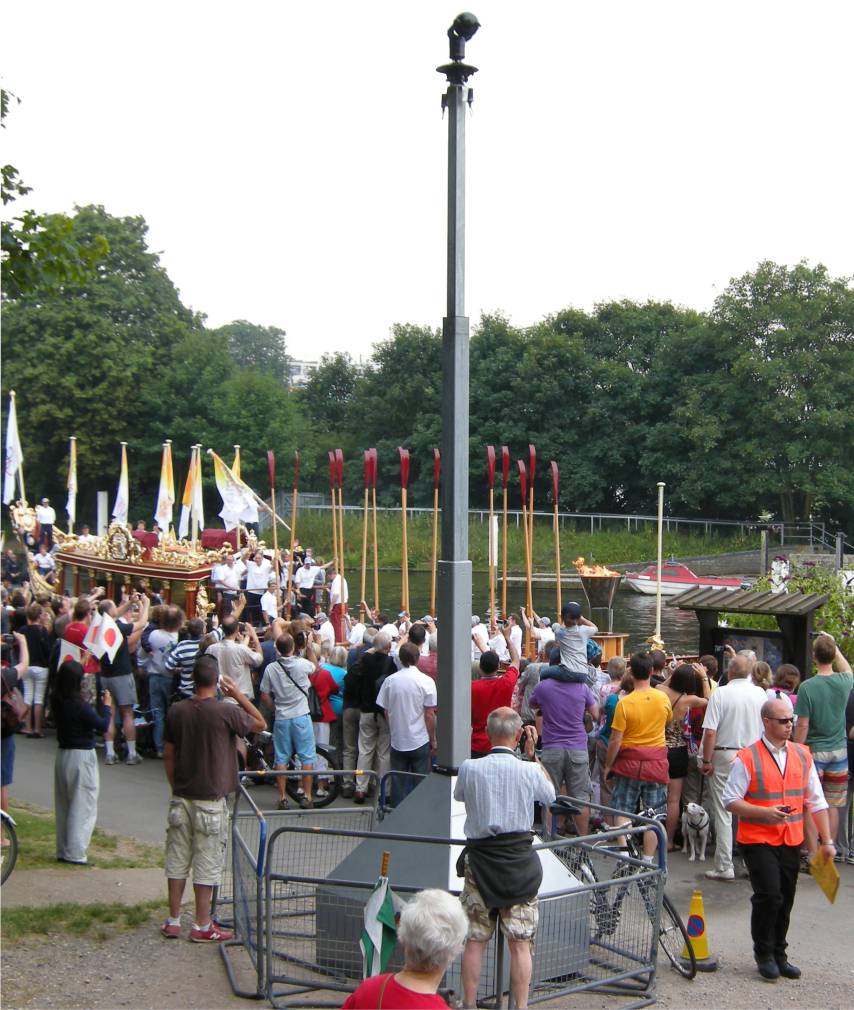 Our rapid deployment surveillance trailer delivers automated, high security situational awareness wherever it is positioned, and reports incidents itself for a rapid response and investigations.
Learn More »
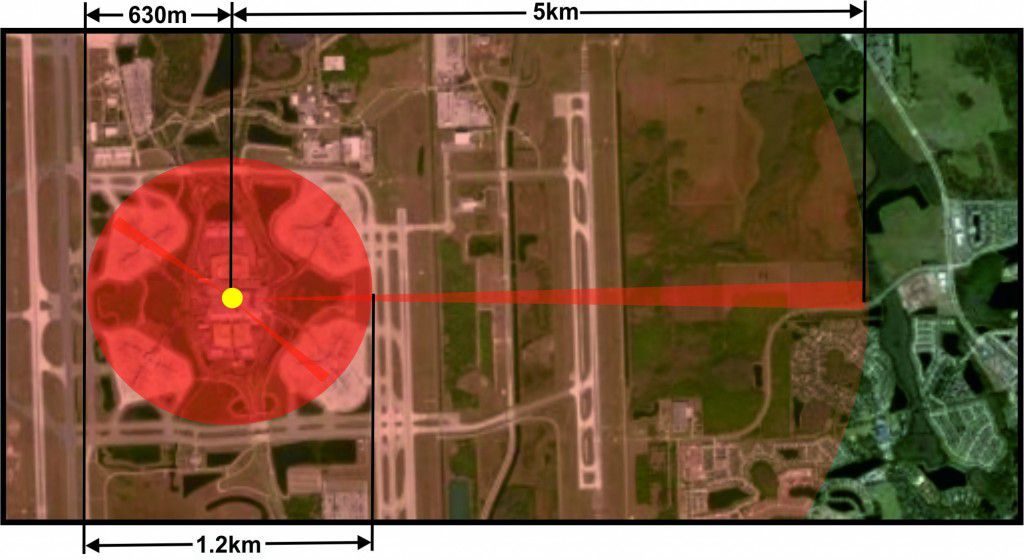 One Viseum camera does the work of 6 constantly manned cameras, a Metropolitan Police surveillance officer reported.
Learn More »
Perimeter security systems for government sites
Perimeter security systems fail in a predictable way. They raise an alarm, nobody can see what caused it, and the operators eventually stop trusting the alerts. We built a perimeter camera that confirms the cause itself before it calls anyone.
Governments protecting borders, utilities, depots and defence sites ask three questions. Firstly, how many genuine intrusions will this catch? Secondly, how many false alarms will it create? Thirdly, what will it cost to keep running once the installation team leaves?
Fewer false alarms along a long boundary
Fence sensors react to wind, animals and passing traffic. They cannot tell an operator what happened. Because our camera detects the movement and then zooms into it automatically, the control room receives a picture. Staff act on the alerts instead of muting them.
Covering ground that fencing cannot
Many perimeters run for miles across open country. For example, reservoirs, substations, rail corridors and construction compounds all resist conventional fencing. Trenching a cable along such a boundary often costs more than the cameras themselves. Meanwhile a single mast with 360 degree detection covers a wide arc without any of that groundwork.
What perimeter security systems cost to run
Staffing dominates the ten-year cost of any boundary project. Reducing the operator burden matters more than shaving the purchase price. Our cameras watch on their own and escalate only real events, so a small team supervises a very large site. Our engineers support the equipment directly, because we design and build it in Britain.
Questions we are asked most often
Firstly, how far can the camera detect an intruder? Several hundred metres by day, and further again with the thermal option. Secondly, will animals trigger it? Rarely, because the analytics separate a person from wildlife before raising anything. Thirdly, does it need a fence? No, although it works well alongside one.
Fourthly, how quickly can we deploy along a temporary boundary? Usually within hours using a trailer. Finally, who maintains it? Our own engineers do, and they can reach the equipment remotely for most tasks. In short, a long perimeter no longer demands a long list of staff.
Types of perimeter security system
A perimeter security system detects an intruder at the boundary of a site and raises an alarm before anything inside is reached. It joins physical barriers, sensors, cameras and a response.
Fence sensors. Sensors fixed to the fence feel cutting, climbing or lifting. They locate the alarm along the fence line. Wind, rain, animals and loose panels can also set them off.
Buried and fibre sensors. Cables in the ground feel footsteps, vehicles and digging. They are hidden from view and hard to defeat, and they tell you where along the line something happened, but not what it was.
Radar. Ground radar sees movement across open ground in darkness, fog and rain. It tracks each object and gives its position. It sees people and vehicles well before they reach the fence.
Thermal cameras. Thermal cameras see heat, so they work in total darkness and through smoke. They show the shape of a person or vehicle, which helps to tell an intruder from an animal.
Video analytics. Analytics software watches the camera picture and flags a person or vehicle crossing a line or entering a zone. It ignores leaves, shadows and weather when it is set up well.
How radar and cameras confirm an alarm. No single sensor is enough on its own, so good designs layer them. Radar finds a moving object and passes its position to a camera. The camera turns to it, zooms in and shows what it is. The operator sees a close-up and decides at once: intruder, animal or false alarm. Fewer false alarms mean a faster response to the real ones.
How to choose. Start with the threat and the ground: open land, a fence line, a coast or a border. Then ask how every alarm is confirmed, and who responds.
Where Viseum fits. Viseum joins its thermal and optical 360 cameras with Viseum AiRadar, so AiRadar finds each object and the camera confirms and follows it. The operator receives the alarm with close-up evidence.
Frequently asked questions
What are the main types of perimeter security systems?
The main types are physical barriers, fence-mounted sensors, buried and fibre-optic sensors, microwave and infrared beams, ground radar, thermal cameras and video analytics. Most high-security sites use several together: one layer detects, another confirms what it is, and a control room decides the response. The right mix depends on the ground and the threat.
What is a perimeter alarm system?
A perimeter alarm system raises an alarm when someone crosses, cuts, climbs or approaches a site boundary. Sensors detect the event and send its position to a control room. A good system also confirms the cause, usually with a camera, so operators know whether to send a patrol or close a false alarm.
How do perimeter security solutions reduce false alarms?
They confirm each alarm before anyone is sent. A sensor or radar raises the alert, and a camera turns to the position to show what caused it. Thermal imaging and video analytics help to tell a person or vehicle from an animal, a bird or weather. The operator then decides with the picture in front of them.
Does perimeter protection work at night and in bad weather?
It can, if the sensors are chosen for it. Radar works in darkness, fog and rain, and thermal cameras see heat in total darkness. Optical cameras need some light, so they are paired with thermal imaging at night. Ask the supplier to show recorded alarms from night and poor weather, as well as clear days.
Can radar replace a fence?
No, because a fence delays an intruder, while radar detects and tracks them across open ground. They do different jobs and work well together. Radar gives early warning before the fence is reached, and a camera confirms what the radar found. The delay from the fence gives the patrol time to arrive.
Downloads
Questions about perimeter security systems
What is the best perimeter security system?
One that detects every breach, confirms it with a camera and follows the intruder, without waiting for an operator.
How long a perimeter can one camera protect?
Each optical 360 camera covers up to the size of 4 Olympic stadiums. Thermal cameras with Viseum AiRadar cover perimeters up to the size of New York City.
Does it work at night and in bad weather?
Yes. Thermal and low-light cameras keep detecting and following in darkness and poor weather.
Why Viseum?
One Viseum camera does the work of 6 constantly manned cameras, a Metropolitan Police surveillance officer reported.
More in Product Solutions
- Perimeter security systems
 The Most Powerful Surveillance Camera
 Control Room Software
 AI Surveillance Cameras
 Surveillance Radar
 Safe City Ecosystem
- Long Range AI Camera
 Rapid Deployment Video Surveillance
 AI Video Analytics
 Face Recognition Software
 Surveillance Tower
 Facial Recognition Camera
 Fisheye Security Camera
- See everything in Product Solutions
Radar detection 2004

More videos
 Viseum AI camera on TV
 Olympic Security
AI Software Technology Services
What happens after you contact Viseum
A specialist reads your project questionnaire for a commercial review and checks it against projects we have already delivered.
We arrange a live demonstration, either online from your own desk or on your site with a Rapid Deployment trailer.